Order books get valued. Pipelines, oddly, often do not, because owners rarely write them down in a form a buyer can read. This autumn is a good moment to change that, because the conditions feeding the pipeline are unusually strong. It is one of the four forces in our September market briefing, and it may be the easiest one to act on immediately.
The Demand Feeding the Pipeline
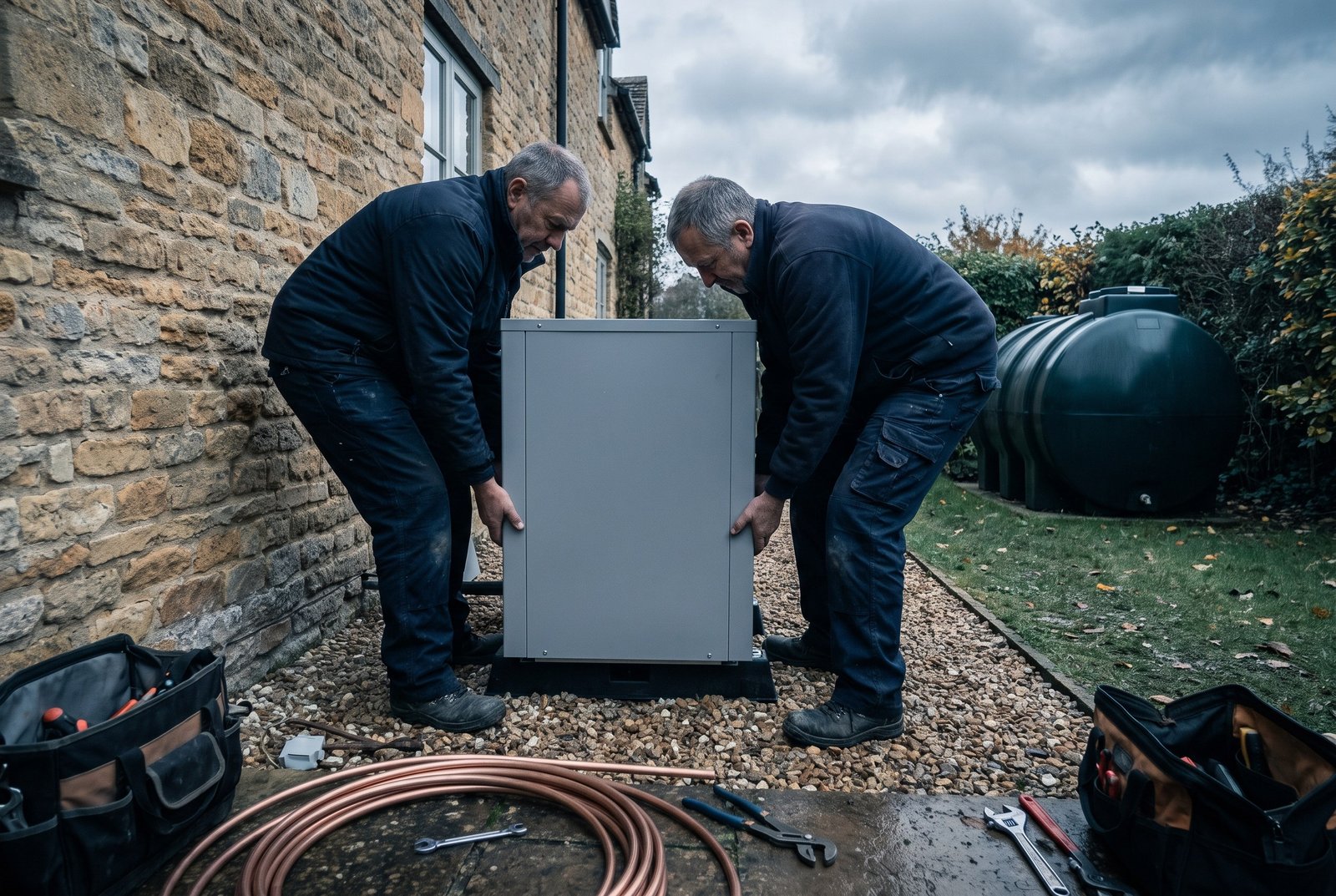
Three things are pushing work into installers' diaries this autumn. The Boiler Upgrade Scheme grant for replacing oil heating with a heat pump rose to £9,000 from 21 July 2026, a 20 per cent uplift on the previous £7,500, aimed at rural homes off the gas grid in England and Wales. Earlier in the year the scheme added a £2,500 category for air-to-air heat pumps, broadening what qualifies.
Around the grants sits the Warm Homes Plan, a £2 billion package that includes up to £1.7 billion in low and zero interest consumer loans for home energy upgrades, covering heat pumps alongside solar and batteries. The plan also relaxed permitted development rights in England, so more households can install an air source heat pump without a planning application. Each measure removes a reason for a homeowner to say "not yet".
From Approval to Install
Grants approved and loans arranged in late summer become installations booked through autumn and winter. That is the pipeline: the quotes issued, the surveys done, the grant vouchers in hand, the jobs scheduled but not yet completed. It is genuine future revenue, and unlike a vague sense that demand is strong, it can be documented client by client.
An order book tells a buyer what you have earned. A recorded pipeline tells them what is already coming, and that is the number that moves an offer.
Why It Moves an Offer
In diligence, a business that can show a clean forward pipeline, jobs quoted, approved and scheduled, with the grant or finance position noted against each, is giving a buyer visibility they cannot get any other way. It reduces the buyer's uncertainty, and reduced uncertainty is what lets them pay closer to the top of the range rather than discounting for the unknown.
A pipeline held only in the owner's memory does the opposite. It evaporates the moment anyone tries to verify it, and a buyer who cannot verify future revenue will not pay for it. The difference between those two outcomes is often just a matter of record keeping, not a matter of how much work you actually have coming.
The Habit To Build This Season
It is straightforward. Record every quoted job, its value, its stage, and whether it is grant or finance supported. Keep it current as jobs move from quote to survey to booked to completed. You are not doing this for a hypothetical buyer; you are doing it because the same record helps you run the business through your busiest months.
That it also happens to be one of the most persuasive documents in an eventual sale is a benefit you get for free, provided you start keeping it before you need it. From what we see across the market, the pipeline is one of the most commonly under-documented assets in an HVAC business, and one of the easiest to fix.
Thinking about selling your HVAC business?
Start with a free, confidential conversation to understand your options and what your business could be worth.
Confidential. No obligation. No cost for an initial conversation.