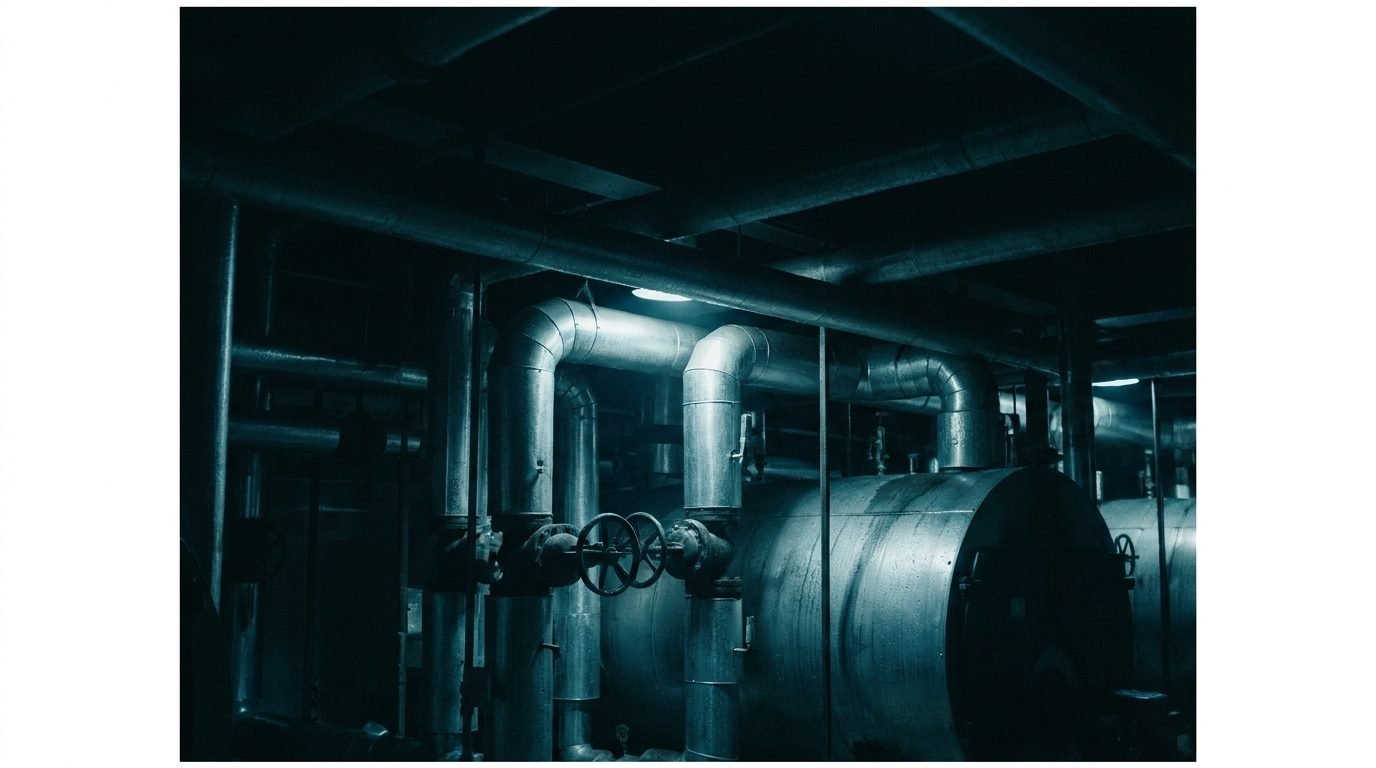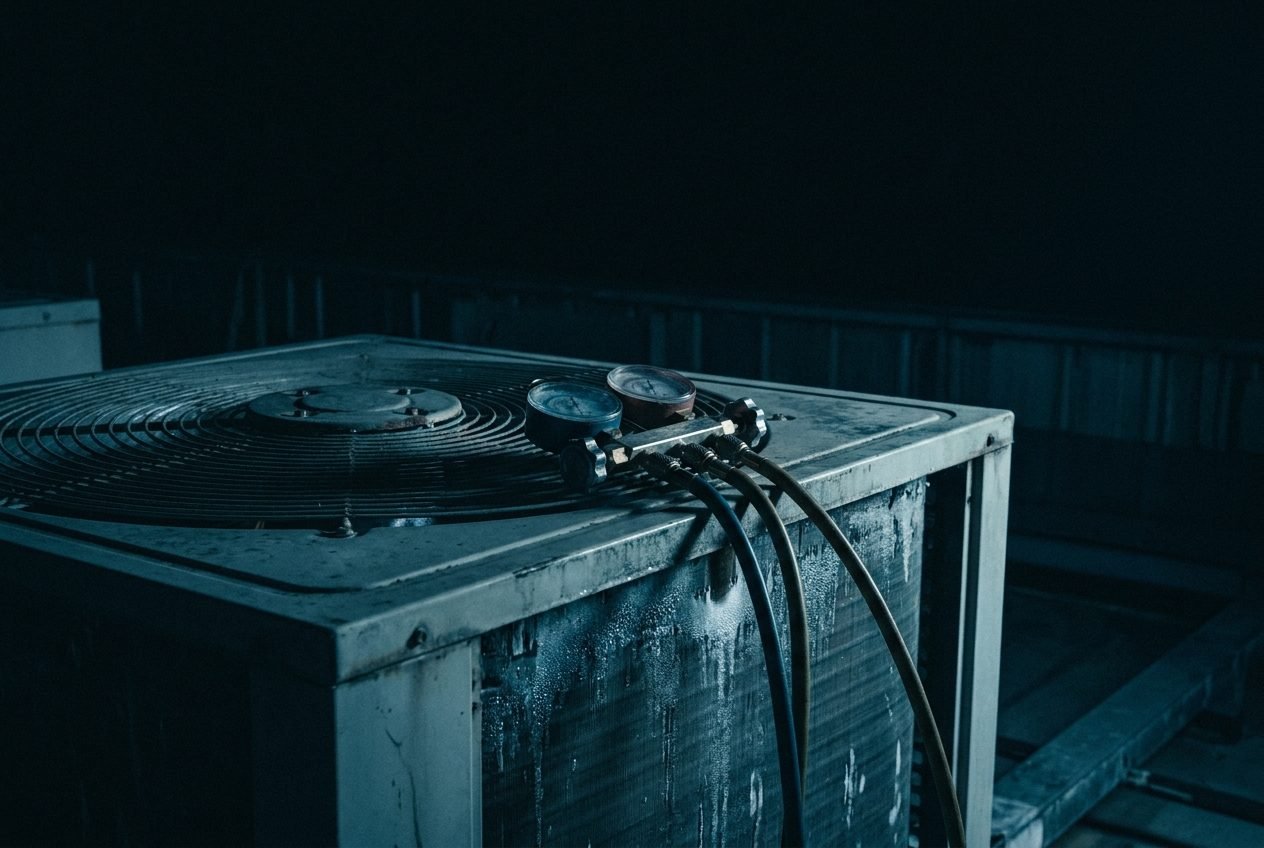
Heating season is the part of the year an HVAC business is built for. It is also, quietly, the part of the year that decides what the business is worth. Every service you complete and every callout you answer between now and February becomes a line in a record, and when a buyer eventually values the business, that record is what they read. This is one of the four forces in our September market briefing, and it is the one most within your control.
Two Businesses in One Uniform
A maintenance-led HVAC business is really two operations sharing a van livery. There is the planned preventative maintenance work, contracted services that happen on a schedule whether or not anything is broken, and there is the reactive work, the callouts that arrive because something failed. Buyers treat these two revenue streams very differently.
Planned maintenance income is the annuity. It renews, it is predictable, and it usually pulls parts and reactive work along behind it. Project and installation turnover, by contrast, has to be won again every year. A business that is 70 per cent contracted and 30 per cent project is worth more than one with the same turnover split the other way, because a buyer can see the floor under the revenue instead of taking it on trust.
Why Autumn Is When It Shows
The reason this matters in September is that autumn is when the contracted base does its heaviest lifting. Boiler and heat pump services cluster before winter. Commercial clients want their plant checked before buildings fill up again. The callout log starts to record how fast your team responds when a school or a care home loses heat on a cold morning. None of that appears in a quiet summer snapshot. All of it gets written into the record over the coming months.
A buyer does not value the service you describe. They value the service the book proves you delivered, season after season.
The Diary Is a Diligence Document
Here is the shift in mindset worth making. The diary you keep this autumn is a diligence document whether you intend it to be or not. Contract renewal dates and rates, service completion against schedule, callout response times, the share of reactive work that converts into a chargeable repair rather than a walk-away: these are exactly the figures an acquirer's team will ask for.
A business that can produce them cleanly looks well run, and well-run businesses transact at the top of their range. Where you sit inside that range is driven far more by the quality of your recurring income and the clarity of your records than by anyone's negotiating skill on the day.
What To Do This Season
You do not need a new system or an expensive piece of software. You need a habit. Log every service against its contract. Track renewals and the rate on each. Record response times on callouts. Note which reactive jobs turned into repairs. It is unglamorous work, and it is close to impossible to reconstruct after the fact, which is precisely why doing it now is worth so much later.
From what we see across the market, the owners who sell well are rarely the ones who prepared in the final quarter before going to market. They are the ones whose ordinary record keeping happened to be good, so the evidence was already there when a buyer asked. Treat this heating season as the first draft of your eventual sale memorandum, and you give your future self the strongest possible hand.
Thinking about selling your HVAC business?
Start with a free, confidential conversation to understand your options and what your business could be worth.
Confidential. No obligation. No cost for an initial conversation.