Every HVAC owner feels the skills shortage as a problem: vacancies that stay open for months, wage pressure, jobs turned away for want of a spare pair of qualified hands. Buyers of HVAC businesses look at exactly the same shortage and see the opposite: the single best reason to acquire rather than grow organically. Understanding that difference in perspective is worth real money when you come to sell.
This post looks at the numbers behind the gap and the practical steps that turn a stable, certified team into your strongest negotiating card. It expands on the fourth force in our Autumn 2026 market briefing.
The Gap, in Published Numbers
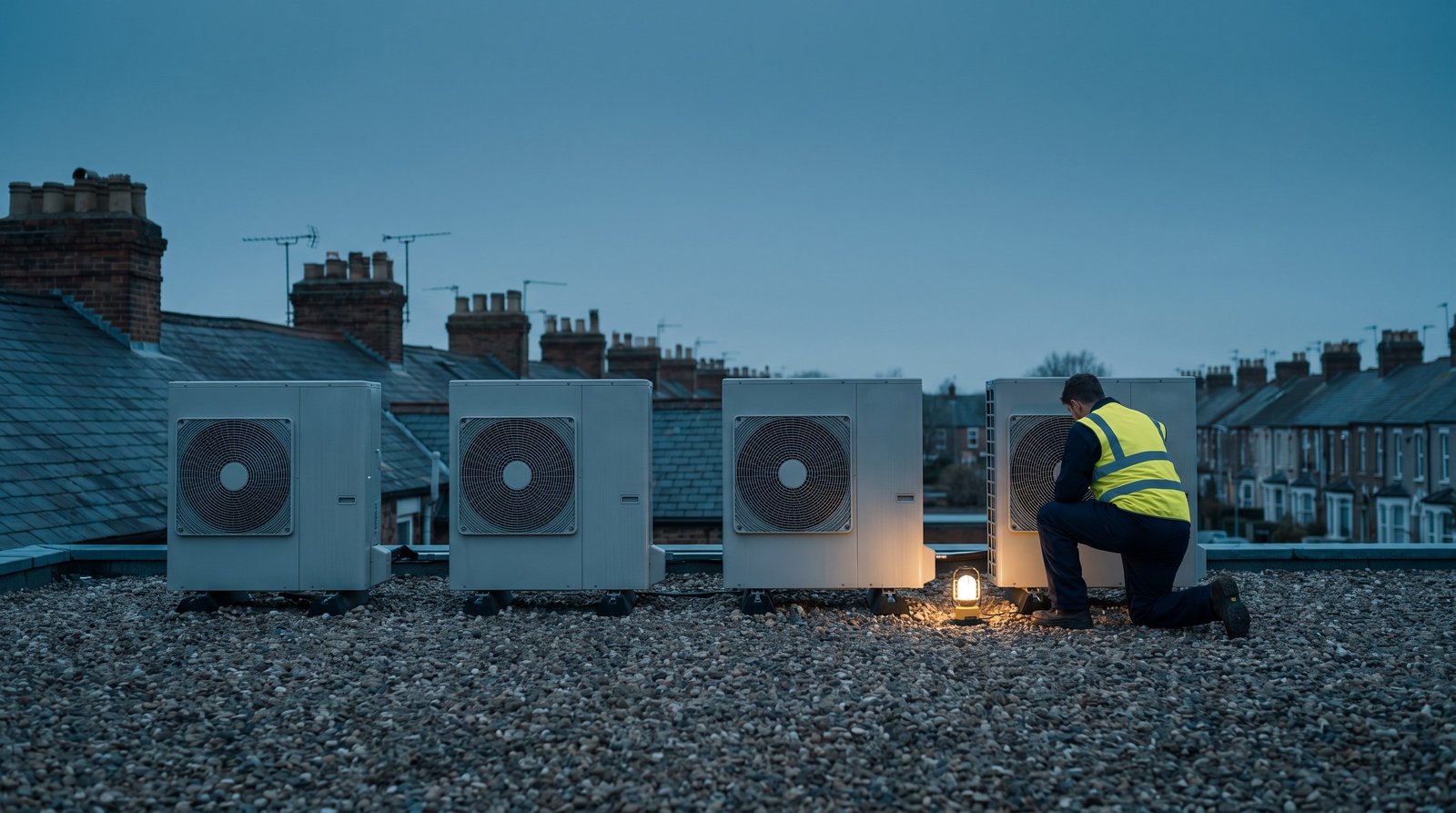
Demand for low-carbon heating skills is rising faster than the workforce can retrain. MCS announced in February 2026 that the UK has passed 250,000 certified heat pump installations, with 2025 the strongest year on record and the Boiler Upgrade Scheme funding 43 per cent of that year's installs. Against that, evidence submitted to Parliament puts the number of trained MCS heat pump installers at roughly 9,000, while government modelling suggests around 50,200 will be needed by 2030.
The conventional workforce is ageing at the same time. Gas Safe's own decade review put the average age of registered engineers at just over 45, and the industry has been flagging the approaching retirement cohort for years. Training providers report strong demand, but a newly qualified engineer is not a like-for-like replacement for someone with twenty years of commercial fault-finding behind them.
How a Buyer Reads Your Team
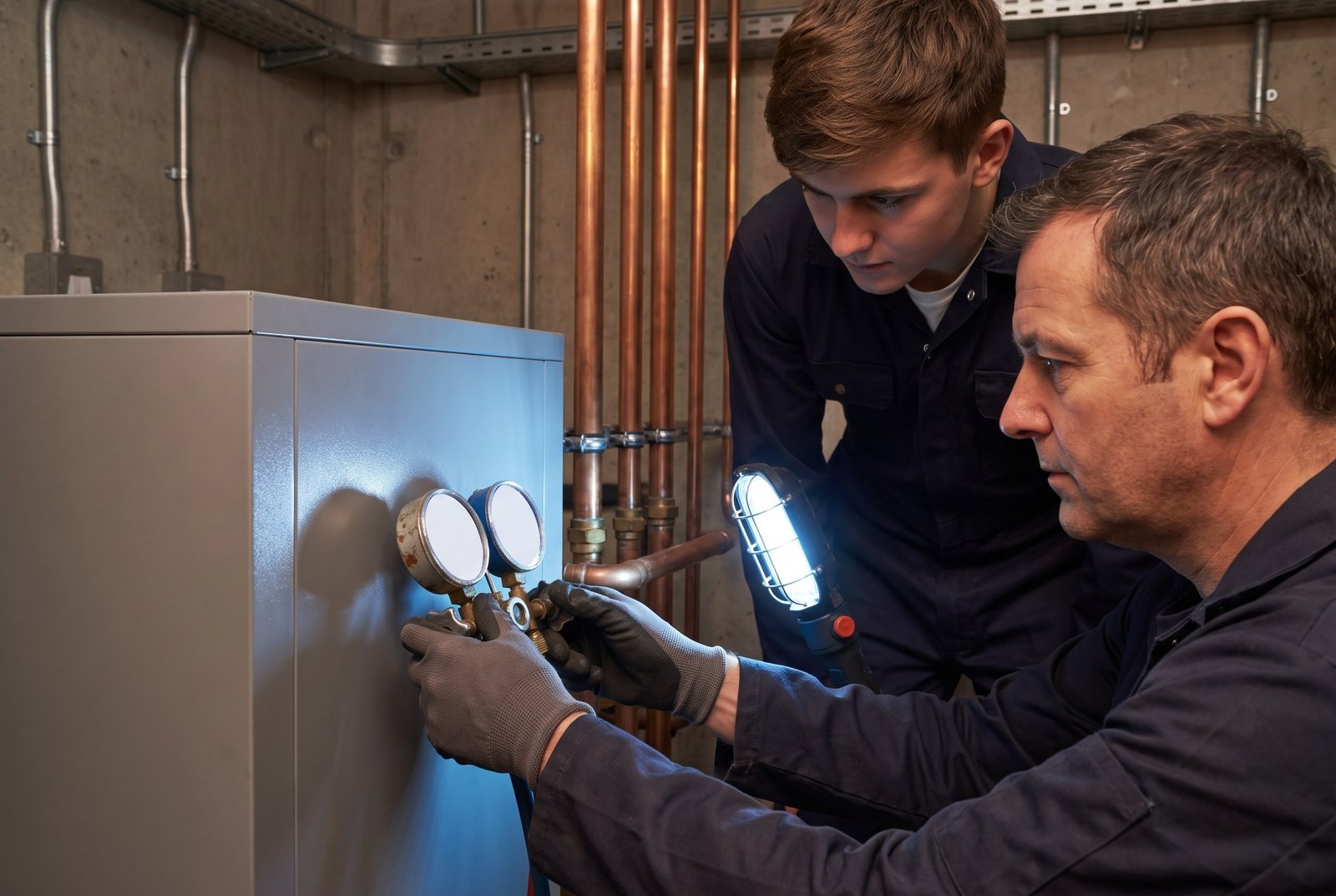
When an acquirer models an HVAC business, the engineer team is not a line in the overheads; it is the asset being purchased. A buyer can replicate your pricing, your website and your van livery. What they cannot do quickly, at any sensible cost, is assemble eight qualified, Gas Safe and F-Gas certified engineers who know the patch and turn up on Monday.
Due diligence reflects this. Expect questions about certification coverage and renewal dates, length of service, pay benchmarks, notice periods and, increasingly, heat pump training. Expect the buyer to think hard about retention through and after the deal, because their investment case fails if the team walks. Under TUPE, staff transfer with the business on a sale, and a well-informed buyer plans for that from the first meeting.
The 12 to 24 Month Preparation Window
If a sale is on your horizon, the skills shortage rewards preparation in four specific places:
- Document the capability. A certification register showing who holds what, with renewal dates, turns an anecdote into an auditable asset
- Invest in the transition skills. Heat pump training and MCS accreditation are expensive and slow for a buyer to build; a team that already has them commands attention
- Look after the people who would be hardest to replace. Sensible retention arrangements for key engineers cost far less than the value they protect
- Build a second tier. A supervisor or senior engineer who can run jobs without you reduces owner dependence, which is the most common discount applied to founder-run businesses
None of this is glamorous, and all of it compounds. A business that walks into a sale process with documented certifications, a stable team and visible succession below the owner is answering the buyer's hardest questions before they are asked.
The Reframe
The shortage you experience as a recruitment headache is, from the other side of the table, scarcity value attached to your business. You spent years building a team that the market now struggles to assemble at any price. When you come to sell, make sure that story is told properly, with the paperwork to back it up. It will do more for your outcome than almost anything else you can control.